When Big Tech Deletes You
Imagine waking up to discover your Facebook or Instagram account—your entire digital presence—has been disabled without warning. That’s exactly what’s happened to countless users recently, as reported by CTV, from business owners to educators and creators. Appeals vanish into automated voids. A petition demanding real human support is already gathering tens of thousands of signatures.
The lesson? You don’t own your account. You don’t own your content. And you don’t own your presence on these platforms.
The Illusion of Ownership
Eight years ago, Forbes asked ‘Is Social Media Really a Public Space?’ The article predicts the current reality facing cancelled users. We’ve treated social media like a public square—a commons for free exchange, debate, and connection. But here’s the hard truth: these platforms are not public.
You agreed to terms and conditions that give Meta, LinkedIn, or X (formerly Twitter) near-absolute power over your digital footprint. They owe you nothing. The illusion of permanence is a façade.
Content Moderation Isn’t Democracy
When Meta scrapped its independent fact-checking program in favour of crowd-sourced “Community Notes,” it wasn’t a win for civic dialogue. It was a reminder that these corporations can rewrite the rules of engagement overnight. Misinformation, harassment, and hate speech aren’t just tolerated: They’re monetized.
This is corporate policy, not democracy—and corporate policy changes whenever the market demands it.
We’re Confusing Platforms with Public Space
Every time a user laments the loss of their account as if it were a civic right, we reveal our collective naivety. We are, in effect, ignorant fools treating corporate servers like civic squares.
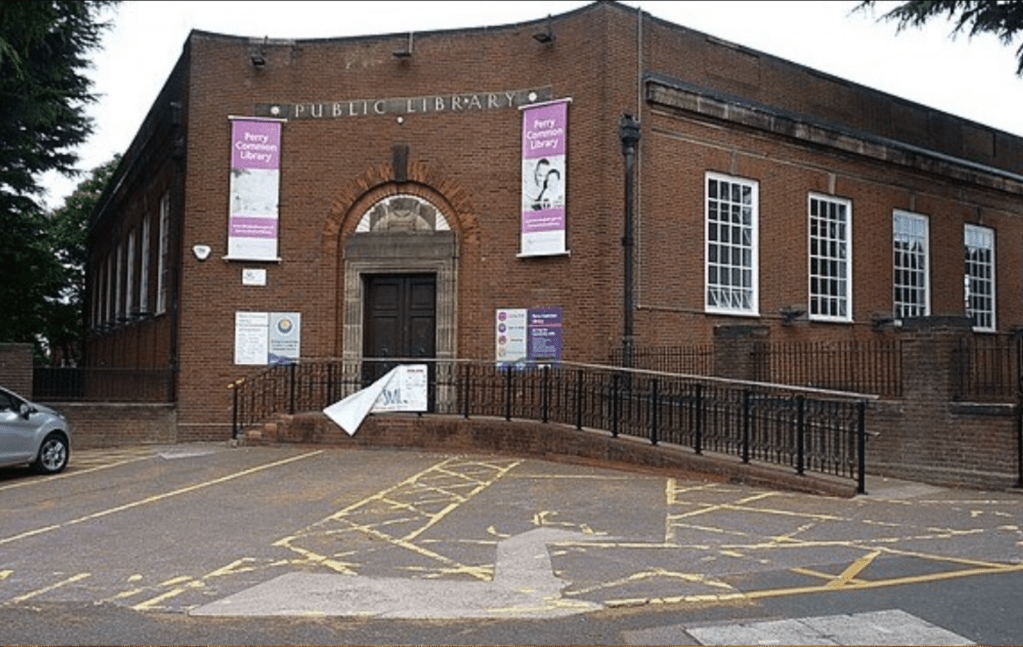
Meanwhile, the true commons—museums, libraries, archives, and cultural centres—struggle for investment. We’ve poured our energy into building discourse on platforms we don’t control, rather than fortifying the civic institutions designed to hold memory, debate, and foster belonging.
The Dissonance of Digital Commons
This is, at its core, a kind of dissonance.
We claim to want open dialogue, free expression, and civic engagement. Yet we’ve chosen to build those conversations in places that were never designed to be public at all.
The result? A gap between our values (community, transparency, shared space) and our behaviours (handing over our discourse to private companies who can delete us at will).
It mirrors the heritage dissonance I’ve written about before: we claim to value memory, belonging, and place, yet we sell off our historic buildings and close our visitor centres. Now, in the digital sphere, we’re doing the same: mistaking corporate platforms for civic commons, only to be shocked when they fail us.
The pattern repeats: dissonance between what we say matters, and what we actually build, fund, and protect.
Yes, I’m Posting This on LinkedIn
The irony isn’t lost on me. I’m critiquing “false commons” right here on LinkedIn—a platform that could suspend my account tomorrow without notice. This is not my space. It is not yours either.
And yet, where else would I go? Social media has become the default public forum not because it was designed to be, but because we abandoned the work of creating real ones. We traded civic squares for corporate servers, and we’re only now reckoning with the consequences.
Museums, libraries, and cultural centres are different. They are built for public memory, for dialogue, for continuity. They are infrastructure designed to last.
Unlike this post, they can’t be deleted with a click.
 EMC³ Consulting
Leave a comment